Need pest control in New York?
Tell us what you are seeing at home. Send a request, or request a callback to check provider availability in the New York area. There is no obligation to hire anyone.
No obligation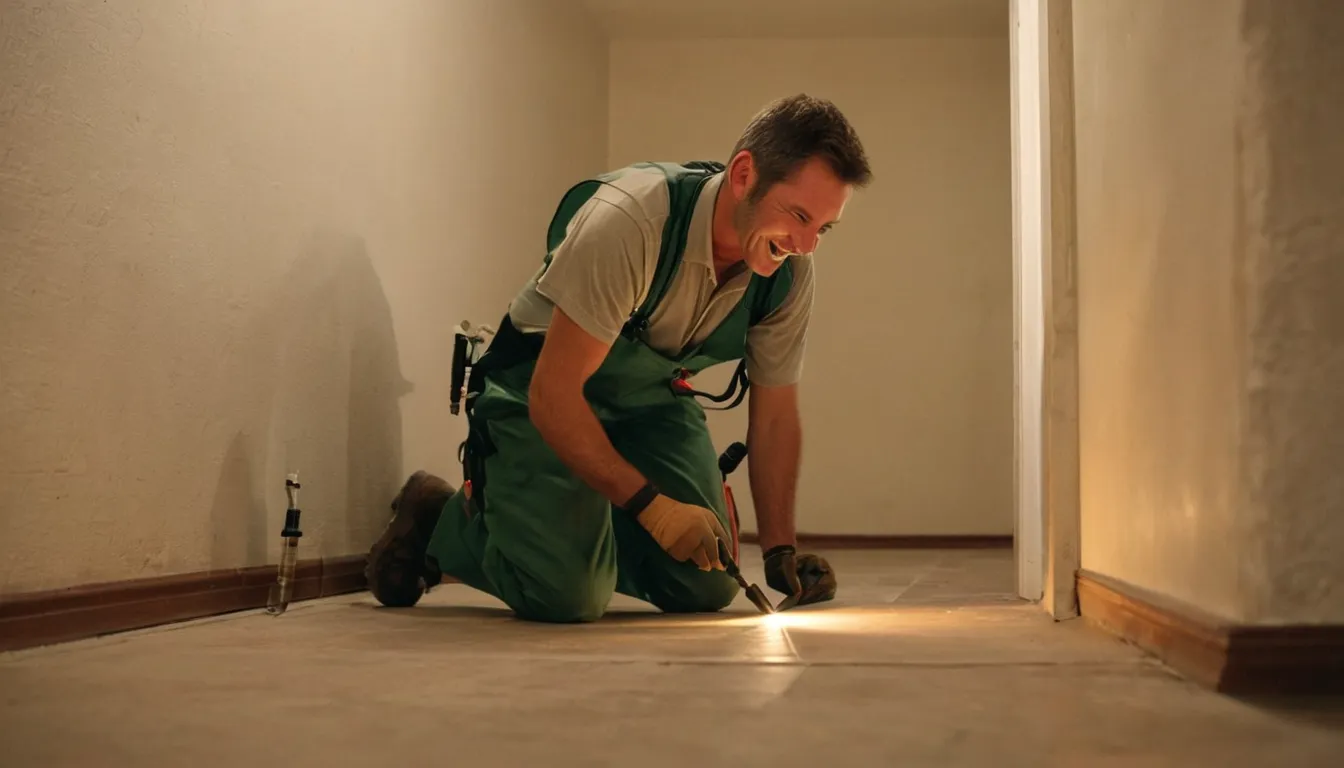
Pests get in more easily when a house has some age on it. Stone and block foundations, old window frames and past repairs leave small gaps. Ants, spiders, roaches and crickets find them fast.
Decisionresponded Pest Control is a referral service. It connects homeowners in New York and the New York area with independent providers in our network. The provider inspects, treats and follows up. Decisionresponded Pest Control does not do the work. Look past the symptom, ask plain questions, and get your quote in writing before any treatment begins.
You may have spotted ants on the counter or heard scratching in a wall. Maybe you typed "exterminator near me" and want a clear next step. You are in the right place.
Decisionresponded Pest Control is a referral service. It links homeowners with independent local providers. The provider does the work. Request a callback to check which providers are available near you.
Some pests cannot wait. Bed bugs spread from room to room. Wasp nests near a door can lead to stings. Roaches and active rodent signs can affect food and health. Tell the provider about these first.
Ants, spiders and crickets are usually less urgent. They are still worth treating before the numbers grow. Mention anything you have seen, even if it seems small.
Old house, new questions. Stone and block foundations can crack over the years. Wood sills dry out and shrink. Past repairs may leave gaps around pipes and wires. Full basements stay damp after spring thaw, which many pests like.
Pests do not need much room. A gap the width of a pencil can be enough for many insects. That is why a careful look at the whole house matters more than one quick spray.
Cold, snowy winters push pests indoors. Mice, spiders and roaches look for warmth. Freeze-thaw cycles can open new cracks in masonry. Snowmelt can send ants and crickets toward basements.
Spring and summer bring ants and flying insects. Fall is a good time to seal gaps before the cold arrives. Providers in our network know these patterns.
Residential pest control usually starts with an inspection. The provider looks inside and outside the home. They check basements, attics, kitchens and bathrooms. Then they suggest a plan.
Treatment can include baits, targeted sprays, dusts and traps. Many providers also seal small entry points or advise on repairs you can do. Bed bug treatment is a more involved job. It often needs more than one visit, so ask how the provider handles it.
Rodents, larger wildlife and termites have their own pages. Mention them if you suspect them, because they change the plan.
One ant on the counter is a symptom. The cause may be a damp sill, a gap in the stone, or a leaky pipe. A good provider looks for the source, not just the visible bugs.
Hidden surprises are common in older houses. An earlier repair may have covered a gap. A wall may hold old insulation that pests use. Ask what the provider found and what they could not reach.
It is fair to ask what products will be used and where. Ask about pets, children and food areas. Providers can explain how long to stay out of a room and what to cover or move.
Ask to see the product label if you wish. Follow the provider's directions on ventilation and cleaning. If someone in the home has asthma or allergies, say so before treatment.
A one-time visit can work for a single problem, such as ants in a kitchen. An ongoing plan fits homes that see pests every season. Many plans include visits every few months.
Older houses often do better with regular visits. Gaps open again as the ground shifts. Ask which option the provider suggests and why.
Price depends on the pest, the size of the home and how bad the problem is. Access matters too. A cramped crawl space or a stone basement takes more time. Repeat visits add to the total.
Costs vary by job and by provider. Quote in writing. It should list the pests, the treatment, the number of visits and any follow-up terms. Compare two or three quotes if you can.
Ask if the provider is licensed in your state. Ask about insurance and how they treat older homes. Ask what happens if pests return. Providers set their own terms, so get the answers in writing.
Be careful with anyone who pushes a big contract on the first visit. A good provider explains the plan and lets you decide.
You can help a lot. Clear clutter from basements and under sinks. Fix leaky pipes. Store food in tight containers. Keep firewood away from the house.
Seal small gaps around pipes with the provider's advice. Keep a short note of where you see pests. It helps the provider find the cause faster.
Write down what you have seen, where and when. Then call or send the request form. A local provider can look at your home and give you a written quote with no obligation.
The provider checks basements, attics, kitchens and outer walls to find where pests enter and nest.
Baits, sprays and traps are placed where pests travel and hide.
Providers point out gaps in stone, block and old trim, and may suggest sealing them.
Some plans include return visits to check results and treat any pests that come back.
Prices in the U.S. vary by pest, home size and how many visits are needed. These ranges are only typical. Always ask for a written quote before any work begins.
| Service | Typical range | Notes |
|---|---|---|
| Inspection visit | $75 – $250 | Some providers apply it to treatment if you book. |
| One-time general treatment | $150 – $400 | Common for ants, spiders or crickets. |
| Roach treatment | $150 – $600 | Heavy cases need follow-up visits. |
| Ongoing plan, per visit | $40 – $150 | Often quarterly; check contract terms. |
| Basement or exterior barrier | $200 – $600 | Stone and block foundations may cost more. |
| Bed bug treatment | $300 – $1,500+ | Depends on rooms treated and method used. |
Tell us what you have seen, where you saw it and how long it has gone on.
A local provider in our network reaches out to talk about your home.
Compare the written quote, the treatment steps and any follow-up visits.
The independent provider does the work and explains how to help it last.
Providers in our network understand stone basements, old trim and past repairs that can hide pests.
We encourage written quotes so you can compare costs and scope clearly.
Snowy winters and spring thaw shape pest patterns, and local providers know them.
Request an estimate with no obligation, then decide at your own pace.
Tell us what you are seeing at home. Send a request, or request a callback to check provider availability in the New York area. There is no obligation to hire anyone.
No obligationA typical U.S. visit runs about $150 to $400 for common pests. Bed bugs and heavy infestations cost more. Prices vary by home size and provider, so ask for a written quote first.
Providers use products made for homes and follow label rules. Tell them about children, pets and allergies. Ask where to keep people and animals out, and for how long after treatment.
Many providers suggest visits every few months, especially for homes with gaps in stone or old trim. Your needs depend on the pests, the season and what the inspection finds.
Tell us what you are seeing at home. Send a request, or request a callback to check provider availability in the New York area. There is no obligation to hire anyone.
No obligation