Need termite treatment in New York?
Tell us what you are seeing at home. Send a request, or request a callback to check provider availability in the New York area. There is no obligation to hire anyone.
No obligation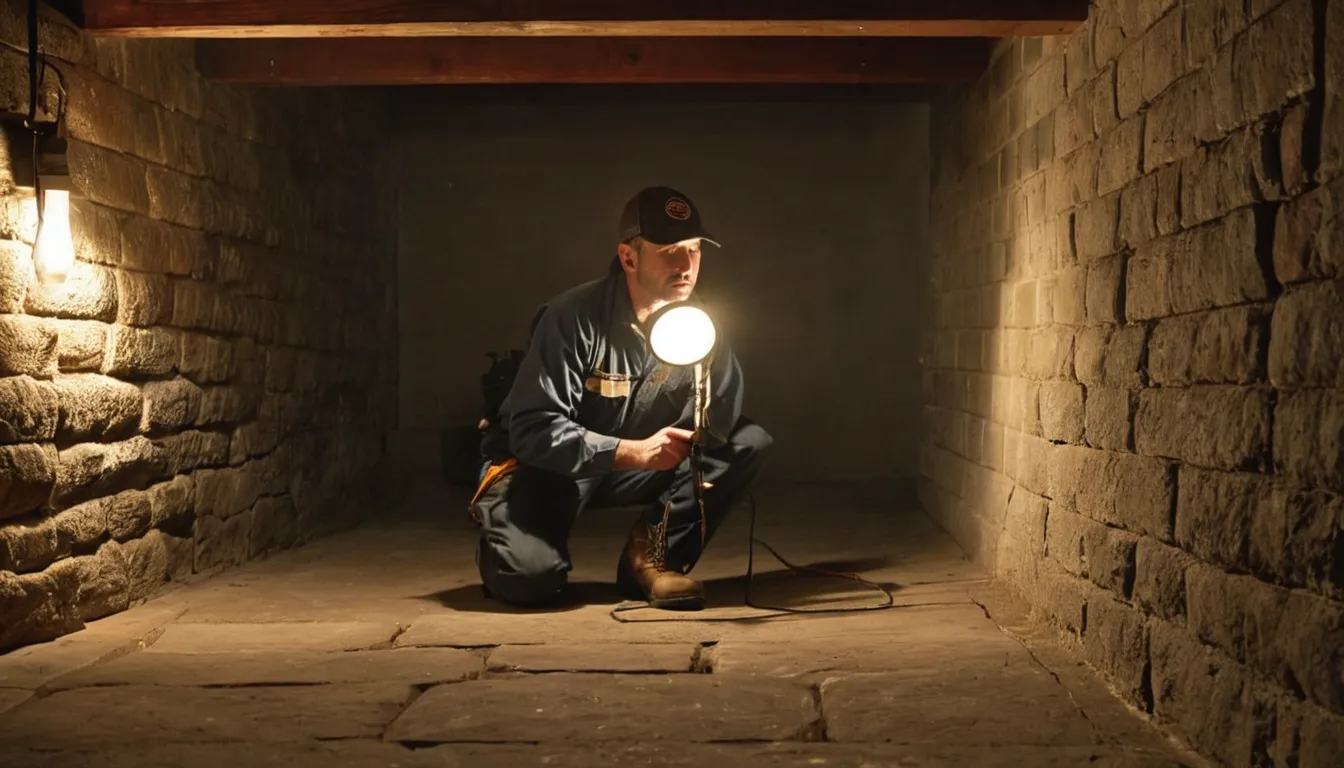
Termites love older houses. Aging beams, stone and block foundations, damp basements and past repairs give them quiet ways in. Many homeowners find out only when a floor feels soft or a door starts to stick. Decisionresponded Pest Control helps you take the next step calmly.
Decisionresponded Pest Control is a referral service. We do not do the work. We connect homeowners in New York and the New York area with independent local providers who inspect, treat and explain what they find. Ask for a quote in writing, so you know what is covered before anything starts. Then you can compare options with clear numbers in front of you.
You saw something odd. Maybe a mud line on a basement wall. Maybe tiny wings on a windowsill. Take a breath. Termites work slowly, but they do not stop on their own. A local provider in our network can confirm what is going on and explain your options.
Until someone looks:
These pencil-width tunnels climb foundation walls, piers and sill plates. Termites build them to travel safely. On stone or block, they often follow the mortar lines.
Swarmers shed their wings after they land. Small piles near windows, doors or basement lights are a clear clue.
Tap a beam with a screwdriver handle. A papery, hollow sound is a red flag. Doors and windows that suddenly bind can also point to hidden damage.
A colony can feed on framing for years before anyone notices. The longer it goes, the more wood may need repair. Early treatment usually means a smaller job and a smaller bill.
Request a callback to check provider availability in your area. Many providers can respond quickly to a suspected termite problem.
A soft spot in a floor is the result, not the cause. Moisture, wood-to-soil contact and old cracks often invite termites in. A good provider looks at all of it, not just the damaged board.
These are the most common. They live in soil and reach your house through foundations, slabs and wood that touches the ground. Cold winters push them deeper, but heated basements can keep them active.
They live inside dry wood and do not need soil contact. They are less common in colder regions but can arrive in furniture or lumber.
They prefer wet, rotting wood. Leaky roofs, wet sill plates and poor drainage can attract them.
The provider checks the foundation, basement, crawl spaces, porches and attic. Expect a flashlight, a probe and plenty of questions about past repairs and leaks.
For soil termites, a provider may apply a liquid barrier around the foundation. Another option is a ring of bait stations that colony members carry back to the nest. Each method has trade-offs, so ask which fits your house.
If termites live in specific timbers, the provider may treat those areas directly. Whole-structure methods exist for drywood cases.
Old foundations have quirks. Stone walls have gaps. Block walls have hollow cores. Additions and patched floors can hide old wood against soil. A provider who has worked on older homes will plan around these details.
Tell them about past repairs, finished basement walls and any history of water. Those details help the provider find hidden paths.
Repeated frost and thaw can open hairline cracks in masonry. Spring snowmelt and coastal storms push water against foundations. Wet soil and cracked walls are easy routes for termites. A fall or early spring check can catch trouble before it spreads.
Buyers and lenders often ask for a wood-destroying insect report. If you are selling, an inspection ahead of listing can avoid surprises. If you are buying an older house, ask for one before closing.
If the report shows activity, ask the provider for a written treatment plan and cost. Sellers and buyers can then negotiate with real numbers.
Take your time, but do not stall. Ask each provider:
Quote in writing. It should list the area, method, product type and any renewal fees.
Expect some follow-up. Bait stations need regular checks. Barrier treatments may need a yearly look. Keep records for future buyers.
Help prevent a return:
A provider checks foundations, basements, crawl spaces and framing for live activity and past damage.
Liquid treatment around the foundation can block subterranean termites from reaching wood.
Stations placed around the home let termites carry bait back to the colony.
Affected beams and joists can be treated directly, based on what the inspection finds.
Prices vary with home size, foundation type, termite species and method. These are typical U.S. ranges only. Get a written quote from each provider before you decide.
| Service | Typical range | Notes |
|---|---|---|
| Termite inspection | $75 – $300 | Some providers fold it into treatment |
| Liquid soil barrier | $1,200 – $2,500 | Depends on linear feet and foundation |
| Bait station system | $1,500 – $3,500 | Often includes monitoring visits |
| Spot wood treatment | $250 – $900 | For limited, confirmed activity |
| Whole-structure drywood treatment | $2,000 – $8,000 | Varies by home size and method |
| Yearly renewal or monitoring | $100 – $400 | Check what the plan includes |
Tell us what you found and where, plus a little about your home's age.
We connect you with a local provider in our network.
Compare the written quote, method and warranty terms before you agree.
The provider treats, then schedules any monitoring visits.
Stone walls, block cores and patched floors need a provider who plans around them.
Ask for a written quote that lists the method, area covered and any yearly fees.
Providers in our network are separate local businesses that do the actual inspection.
Compare options at your pace, with no obligation.
Tell us what you are seeing at home. Send a request, or request a callback to check provider availability in the New York area. There is no obligation to hire anyone.
No obligationTermites leave mud tubes and discarded wings, and their damage looks layered and clean inside. Carpenter ants leave smooth tunnels and sawdust-like debris. A provider can tell them apart quickly during an inspection.
Typical U.S. ranges run from a few hundred dollars for spot work to several thousand for a full barrier or bait system. Foundation type, size and damage all affect the price, so ask for a written quote.
Many policies exclude termite damage, but some cover sudden, hidden losses. Check your policy. Providers can often help document damage for a claim.
Tell us what you are seeing at home. Send a request, or request a callback to check provider availability in the New York area. There is no obligation to hire anyone.
No obligation